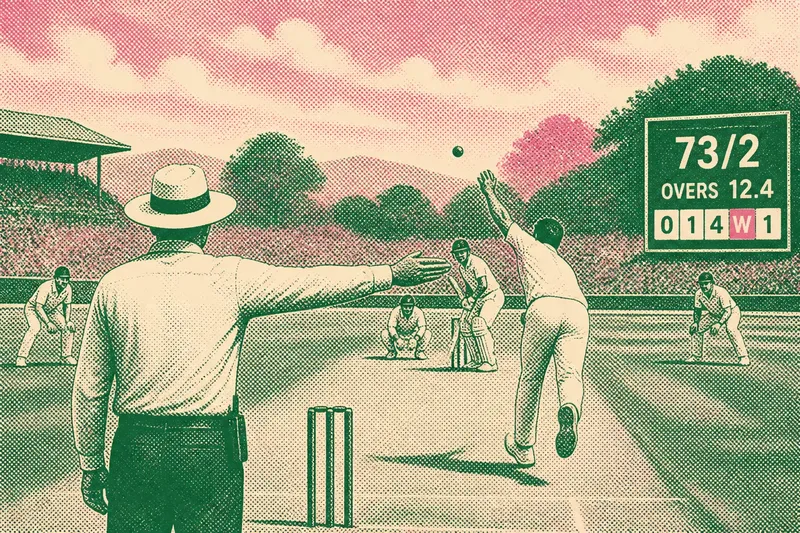
Test, One-Day or T20: Choosing a Match to Follow
Choose a Test, One-Day or T20 cricket match by the time you have and the kind of contest you enjoy, with a viewing plan that fits your schedule.
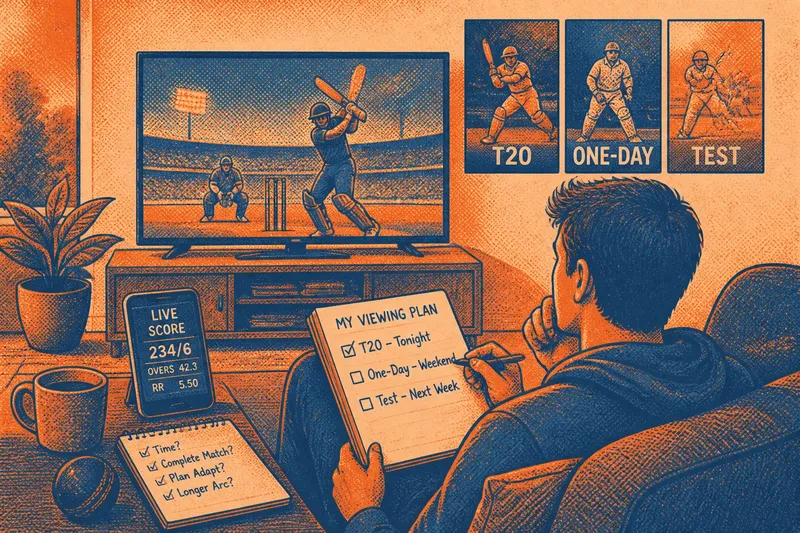
Choosing a Test, One-Day or T20 cricket match is easier when you match the format to the kind of contest you want to follow. T20 offers a compressed contest, One-Day cricket leaves room for a change of plan, and Test cricket lets pressure build over several days. Your available time matters, but so does the shape of the story that holds your attention.
What kind of cricket story fits your week?
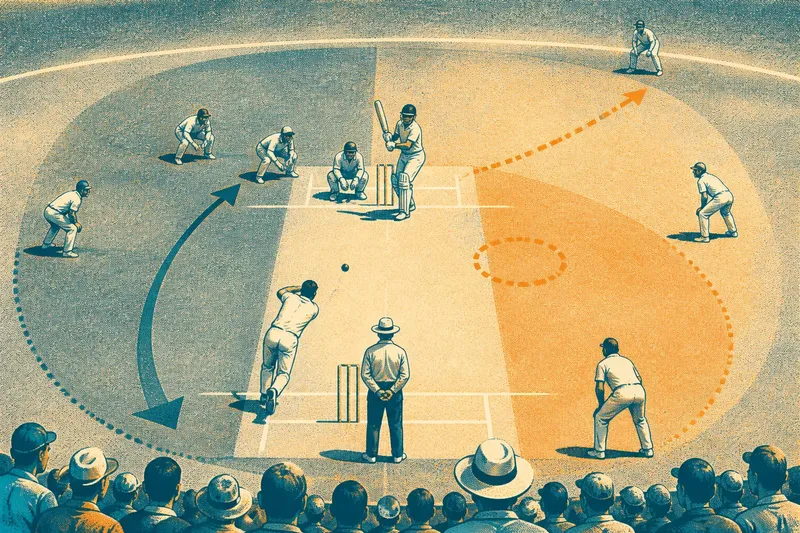
A T20 match is built around urgency. Each side has a short innings, so a quiet spell can quickly become a problem: batters look for boundaries, bowlers vary their pace or line, and fielders shift to block likely scoring areas. The format suits a viewer who wants a beginning, middle and finish in one sitting.
One-Day cricket gives teams more room to change direction. A side can recover from a cautious start, build an innings, then press harder near the end. In a chase, the batting team weighs the target against its remaining wickets and the pace of scoring. Choose this format if you enjoy watching a plan develop and adapt within one match.
Test cricket unfolds in chapters. A batter may spend time resisting a bowler’s line, then take a scoring chance when it appears. Conditions and tactics can shift between sessions, while an earlier decision may matter later. It suits viewers who enjoy seeing a contest evolve across several visits.
How much uninterrupted time do you have?
Look at the shape of your day rather than assuming you must watch every ball. A T20 often fits one leisure block. A One-Day match calls for a broader window, perhaps with a break. A Test can be approached through separate sessions, though the action may move on while you are away.
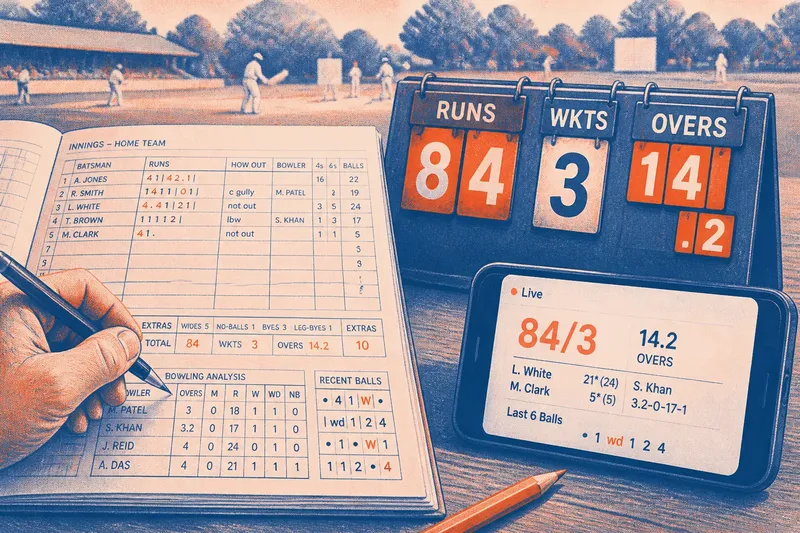
Check the local start time and broadcast schedule before settling in. If you miss a passage, a live scorecard can show the score, wickets and overs, while highlights can supply selected moments. Neither gives the same texture as watching a spell unfold, but both can help you understand where the match stands before you rejoin it.
- If your free time is one evening and you want a complete contest, choose T20; if no suitable fixture fits, watch a defined passage of another match instead.
- If you have a longer stretch and want to see an innings change gears, choose One-Day cricket; if you need to leave, use the scorecard to pick up the state of play later.
- If you can return on different days and enjoy slow tactical shifts, choose a Test; if that rhythm does not suit you, try one session rather than following the whole match.
- If a broadcast starts too late for your schedule, check the next fixture’s local start time; if there is no better fit, follow a scorecard or watch highlights when convenient.
- If you want a close finish, look at the match situation before joining; if the game is not at that stage, choose a passage that interests you, such as a new batter arriving or a bowling change.
- If you lose track after stepping away, compare the score, wickets and overs with the earlier scorecard; if the numbers leave the match unclear, watch a short highlights package before returning.
Say you have a free evening, but need to stop before bedtime. The hypothetical starting point is a T20 scheduled to finish within that window and a One-Day match already in progress. You choose the T20, check its local broadcast time, and watch from the opening; if it runs later than expected, you stop at your planned time and use the scorecard afterward. The result is a clearer choice between a complete live contest and a partial view, without treating either option as a failure.
Which format should you try first?
Choose by what you find absorbing. If rapid swings and visible decisions appeal, try T20. If you want to see a team build an innings and then defend or chase a substantial target, choose One-Day cricket. If you enjoy watching patience and pressure shape a result, start with one Test session rather than expecting to follow the whole match at once.
The formats also offer different entry points. A T20 boundary attempt is easy to recognize as a tactical choice. In One-Day cricket, watch for a shift from protecting wickets to scoring more aggressively. In a Test, follow how a batter responds to one bowler’s repeated challenge. These are distinct ways into the game, not one viewing method applied to every format.
What do readers ask about choosing a cricket format?
Is T20 easier to follow than Test cricket?
T20 concentrates the action into a shorter innings, so changes in scoring and tactics can be easier to notice in one sitting. Test cricket has more room for conditions and plans to shift, which can make its story less immediate but more layered.
Can I follow a One-Day match in separate visits?
Yes. Check the scorecard when you return to see the score, wickets and overs, then watch the next passage live. Highlights can help explain major events, though they may leave out the smaller tactical exchanges between them.
Do I need to watch every ball to understand a Test?
No. You can follow one session and use a scorecard to understand the broader state of play. Returning later lets you see how the contest has changed, even if you missed the intervening overs.
Which cricket format is best for a short viewing window?
T20 is often the simplest fit for one continuous block, while a Test session can work if you are comfortable leaving before the match ends. If neither fits the time available, a live scorecard or highlights offer a useful way to keep up.
How can you make the match fit your routine?
Before a match, settle on a practical stopping point: the end of a session, a planned break, or the time you need to leave. If you want context while watching, keep a scorecard open on your phone or a cricket site. A broadcast may explain decisions as they happen; the scorecard helps you check the match state without needing to remember every delivery.
For a week with several fixtures, vary the format rather than treating every match as a full-day commitment. An evening could suit T20, an open afternoon could hold a One-Day passage, and a Test session can fit on a day when you can return later. If a match stops holding your attention, switching to highlights or another fixture is a sensible adjustment.
When choosing a Test, One-Day or T20 cricket match, use both your available time and your preferred kind of contest. T20 concentrates the action, One-Day cricket gives plans room to change, and Test cricket rewards attention across a longer arc. The best fit is the format you can follow without turning leisure into an obligation.